


What an Amazon fulfilment center taught me about impostor syndrome
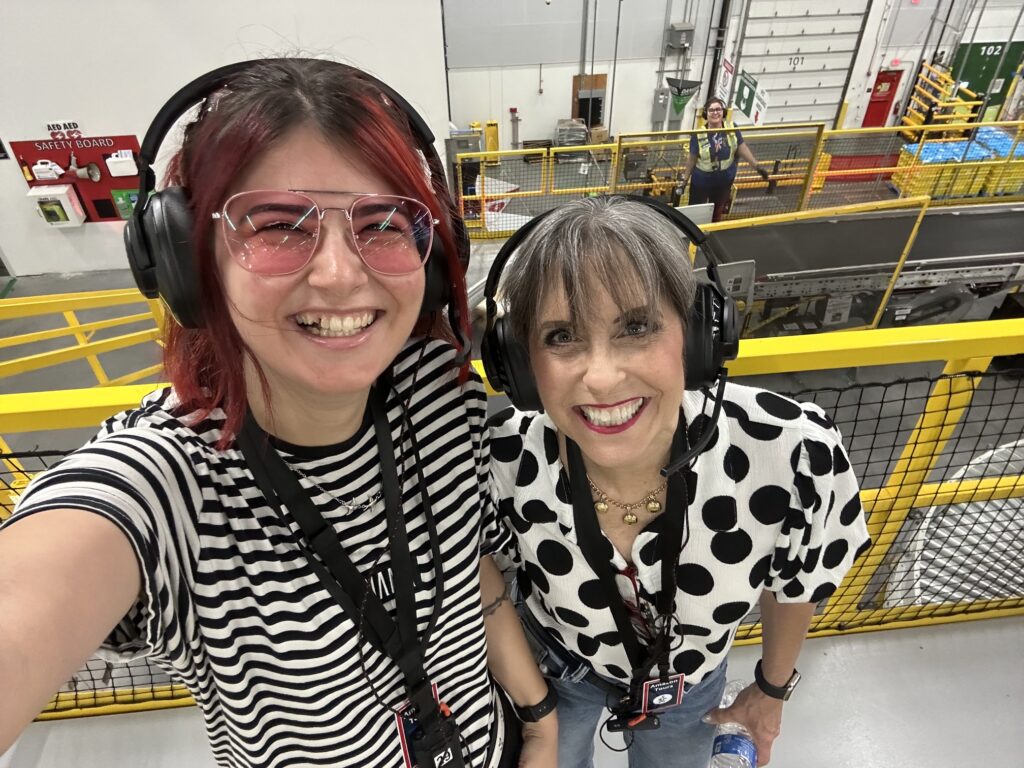
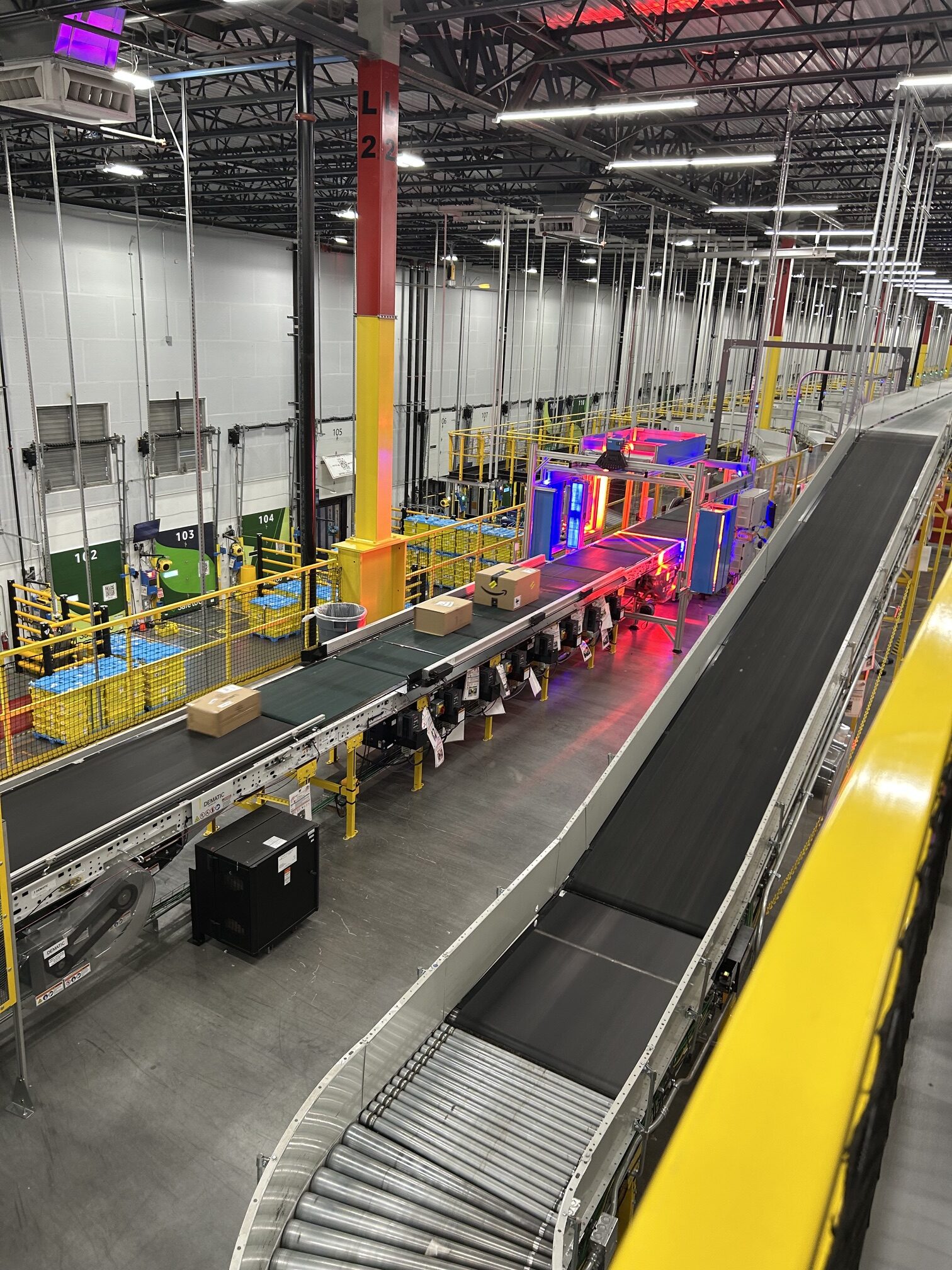
My daughter and I recently toured VGT1, an Amazon fulfillment center here in Las Vegas. A massive complex the size of 40 football fields. I expected boxes. I got an engineering playground.
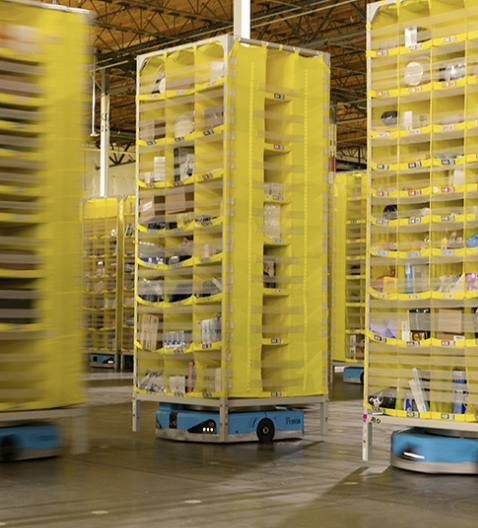
On the robotics floor, thousands of “drive unit” robots that look like giant Roombas slide under towering shelf units called pods, lift them, and glide off across the floor. They weave around each other, pause, pivot, and keep going. Nobody steering. It was surreal.
The floor is covered in QR codes, a few feet apart. Each robot reads the code beneath it, confirms where it is, and moves to the next one. That’s it. One square at a time, thousands of times an hour, all perfectly choreographed. It felt like a scene from Wall-e or Monsters, Inc.
The engineer in me was in heaven. The skill, talent, and creativity behind this system are staggering. And they’re still improving it. The current workhorse robot is a fourth-generation design.
But the thing I was most enamored with wasn’t a robot. It was a story our tour guide told.


The logical solution that clogged
When a new Harry Potter book launched, all the copies were stored together in one spot. Perfectly sensible. Keep like with like. It’s how you’d organize your pantry. (Or so I’ve been told…)
Then the orders hit. Every robot in the building needed that one location at the same time. Gridlock.
So, the engineers did something that sounds completely wrong. They scattered the books all over the warehouse. Some copies here, a few there, tucked next to phone chargers, dog toys and lipstick.
Messy? Absolutely. Counterintuitive? Totally. And it worked. Because the problem was never storage. It was access. The old solution couldn’t handle the new problem.
What the clog did NOT prove
Here’s what struck me. Some of the most brilliant engineers on the planet built a system that jammed. They didn’t hide it. They didn’t conclude they were in over their heads. They studied it and redesigned it.
Now picture the high performers you know. Maybe you’re one of them. When they hit their version of the Harry Potter clog (a project that stalls, a plan that doesn’t work, a presentation that falls flat), what’s the story they tell?
Usually it’s this one: “See? I knew I didn’t really belong here.”
That’s impostor syndrome doing what it does best: taking real evidence of your skill and filing it under “fraud.” A clog isn’t proof you’re not good enough. In that Amazon building, the clog was the start of the smartest decision they made.
When doubt says don’t
The fix required a choice that felt wrong, even gutsy. And that’s where most capable people get stuck.
Doubt says don’t. Don’t try the weird idea. Don’t suggest the messy fix. Don’t speak up in case you look foolish. So we default to the logical, comfortable, organized option, even after it’s proven it doesn’t work.Or we stay quiet, wait, or stick with the safe” option and hope the problem goes away.
That’s Refusal. Not fear itself, but the decision to let doubt make the call.
Refusal isn’t trying an old solution on a new problem. It’s walking away from the new problem altogether.
In my keynote, The Propulsion Principle™, I call out the alternative of Do Different. It’s the shift from refusal to choosal. (Yes, I made that word up. Yes, it’s staying.) Choosal means you notice doubt says “don’t,” and you choose to move ahead based on the evidence anyway.
Find your Harry Potter clog
Try this the next time something you’ve built gets stuck:
- Detect. Notice the moment doubt says don’t. It often sounds reasonable: “That’s not how it’s done.” “I should wait.” “Who am I to suggest that?”
- Verify. Ask what problem you actually have. Is it storage, or is it access? Then weigh it: what does refusing cost you, and what could the counterintuitive move gain?
- Act. Do Different. Take one small step toward the option that feels messy but fits the evidence.
You don’t need to redesign a warehouse. You just need to stop treating the clog as a verdict.
For leaders
If your high performers are quietly sitting on their “scatter the books” ideas, you’re paying for it in slower decisions and solutions that never surface. The fix starts with treating clogs as data, not judgment, and making it safe to suggest the counterintuitive move.
The takeaway
The best solution in that building looked like a mess. It took smart people willing to question the obvious and choose differently.
Your best solution might look messy at first too.
When doubt says don’t, what’s the counterintuitive choice you’ve been avoiding? Hit reply and tell me. I read every one.
Maureen
PS: Want your team to execute under pressure and beyond doubt? Let’s talk: MaureenZ.com